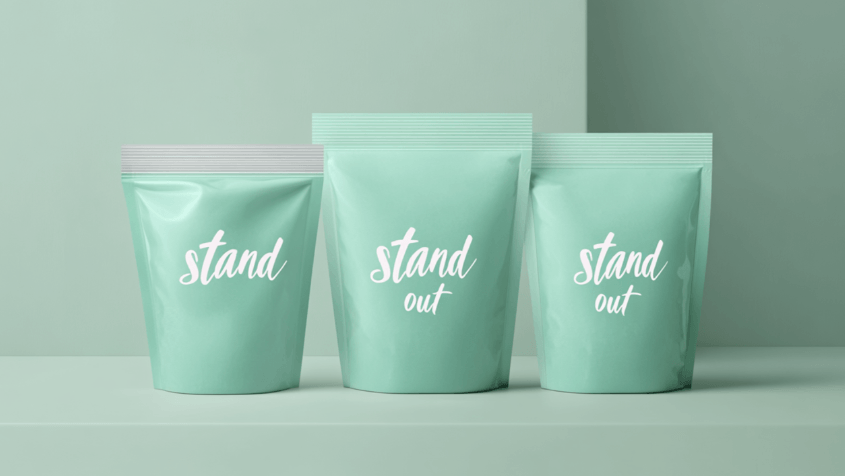
Packaging today is not just about covering a product. It has become a core part of branding, logistics, and customer experience. Among different flexible packaging options, Lay Flat Pouches are gaining strong attention due to their simple structure, cost efficiency, and wide usability.
These pouches are widely used in food, cosmetics, pharmaceuticals, and industrial sectors because they offer a practical balance between protection and affordability. Businesses are increasingly shifting toward flexible packaging formats that reduce material usage while improving supply chain performance.
Companies like Contipackinc are supporting this shift by offering packaging solutions tailored to modern production and branding needs.
Understanding the Structure of Lay Flat Pouches
Lay-flat pouches are flexible packaging bags sealed on three sides. This design creates a flat shape that is easy to store, transport, and fill with different product types.
Their structure allows manufacturers to package liquids, powders, gels, and solid items efficiently. The simple sealing method also helps improve production speed, making it suitable for large-scale manufacturing.
Unlike rigid packaging, they do not require heavy material usage, which makes them more cost-effective and environmentally efficient.
Why Lay Flat Pouches Are Gaining Popularity
The increasing demand for Lay Flat Pouches is driven by several practical advantages.
One major reason is reduced packaging cost. Since they use less material compared to bottles or jars, production expenses are lower.
Another reason is transportation efficiency. Their lightweight structure helps reduce shipping costs and improve logistics performance.
Storage efficiency also plays an important role. These pouches take minimal space before filling, making warehouse management easier for manufacturers.
See also: How Technology Is Reshaping Music Creation
Applications in Different Industries
Lay-flat pouches are used in a wide range of industries due to their flexibility.
In the food industry, they are used for spices, sauces, snacks, and frozen products. Their sealed design helps maintain freshness and product quality.
In cosmetics, they are used for sample products like creams, lotions, and shampoos. This helps brands offer trial packs without increasing packaging costs.
The pharmaceutical industry uses them for powders, supplements, and single-dose medications where hygiene and precision are important.
Industrial applications include small chemical samples, adhesives, and components that require secure packaging.
Material Technology Behind Lay Flat Packaging
The performance of lay-flat pouches depends heavily on the materials used in production. Most are made using multi-layer films that protect against moisture, oxygen, and contamination.
Each layer has a specific function. Some layers provide strength, while others improve sealing and barrier protection.
Food-grade and pharma-grade materials are commonly used depending on product requirements. This ensures product safety and extends shelf life.
Proper material selection is important because it directly affects packaging performance and product quality.
Branding and Marketing Value
Even though lay-flat pouches are simple in design, they provide strong branding opportunities. Companies can print high-quality visuals, logos, and product details directly on the surface.
This helps products stand out in competitive retail environments. A well-designed pouch improves customer attention and product recognition.
Brands also use these pouches for marketing campaigns and sample distribution, which helps increase customer engagement and trust.
Role of Packaging Experts in Industry Growth
Packaging development requires technical knowledge, material understanding, and production experience. Businesses often depend on professionals to guide them through this process.
Companies like contipackinc assist brands in selecting suitable materials, improving packaging structure, and ensuring production efficiency.
Their expertise helps reduce risks such as leakage, poor sealing, or material failure. This ensures consistent quality across large-scale production.
Common Challenges in Lay Flat Pouch Packaging
Despite their advantages, lay flat pouches come with certain challenges.
One of the main challenges is limited space for design and information. Since the surface area is flat, brands must carefully decide what content to include.
Another issue is sealing accuracy. Poor sealing can result in leakage or contamination, especially for liquid-based products.
Material compatibility is also important. Using incorrect film structures can reduce product shelf life and affect quality.
Sustainability and Industry Trends
Sustainability is becoming a major focus in the packaging industry. Companies are now moving toward recyclable and eco-friendly materials to reduce environmental impact.
Lay flat pouches already use less material compared to rigid packaging, making them more sustainable by default. However, ongoing innovation is improving recyclability and reducing waste even further.
Advancements in printing and automation are also improving production speed and packaging quality.
Future Outlook of Lay Flat Pouches
The future of Lay Flat Pouches looks strong as industries continue to move toward flexible packaging solutions.
E-commerce growth is increasing demand for lightweight and cost-effective packaging. At the same time, consumers prefer small, portable, and convenient product formats.
As technology improves, lay flat pouches will become even more efficient, sustainable, and widely used across global markets.
Conclusion
Lay-flat pouches are becoming an essential part of modern packaging systems. Their efficiency, affordability, and versatility make them suitable for multiple industries.
As businesses focus on reducing costs and improving packaging performance, demand for this format will continue to grow. With support from companies like contipackinc, brands can develop packaging solutions that meet both technical and market needs effectively.