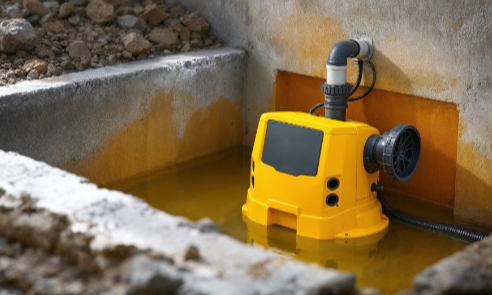
If your basement has ever faced water intrusion or high groundwater levels, you know how crucial a reliable sump pump is to protect your home. Over time, even the best sump pumps wear out and need replacement. That’s when understanding the sump pump replacement cost becomes essential to avoid surprises and keep your property dry.
Why Sump Pump Replacement Matters
A sump pump is designed to remove excess water from your basement or crawl space and direct it safely away from your foundation. Without it, groundwater buildup can lead to flooding, mold growth, structural damage, and costly repairs. When a sump pump stops working due to age, mechanical failure, or electrical issues, replacement becomes the most practical choice rather than persistent repairs.
Replacing a failing sump pump not only protects your home but also enhances its resale value and peace of mind during heavy rains or seasonal water surges.
What Influences Sump Pump Replacement Cost?
Several factors affect the below-ground investment you’ll make in your sump pump system. Knowing these can help homeowners plan a budget that fits their home’s needs.
1. Type of Sump Pump
There are two primary types of sump pumps: pedestal and submersible. Pedestal pumps are more affordable, with the motor mounted above the sump pit, making them easier to maintain. Submersible pumps sit inside the pit, operate more quietly, and handle higher water volumes, but they cost more upfront. The pump type you choose significantly impacts the overall replacement cost.
2. Labor and Professional Services
Even if the pump itself is reasonably priced, professional installation adds to the total cost. Plumbers typically charge by the hour, and replacement jobs may take between one to several hours depending on complexity. Labor rates vary by region and company, but hiring an experienced professional ensures proper installation, safety, and warranty coverage.
3. Unit Price and Features
The price of sump pumps can vary widely. Basic units may cost less than premium models that include features such as battery backups, higher horsepower, or smart monitoring systems. While basic models are cost-efficient, investing in advanced options can offer better protection and longevity.
4. Additional System Upgrades
Sometimes replacement uncovers other needs, such as a new check valve, discharge pipe upgrades, or electrical work like installing a dedicated outlet or GFCI protection. These extras can add to the project cost but are often essential for proper system performance.
Signs You Should Consider Replacement Now
Waiting until the basement floods isn’t the best strategy. Instead, watch for these signs:
- The pump turns on and off frequently without reason
- Loud or unusual noises come from the unit
- The pump doesn’t activate when water levels rise
- Rust or corrosion is visible
- The unit is over 7–10 years old
If you notice these issues, a professional inspection can help you determine whether repair or replacement makes more financial sense.
Making Smart Choices for Your Home
While DIY sump pump replacement might seem tempting, especially if you’ve seen affordable units at a home center, plumbing professionals bring experience and code compliance to the job that DIY can’t match. Improper installation can reduce pump lifespan and even cause electrical hazards.
Investing in a dependable sump pump and professional installation today saves you from costly water damage tomorrow. Understanding the sump pump replacement cost ahead of time empowers you to budget wisely and choose the solution that fits your home and climate.