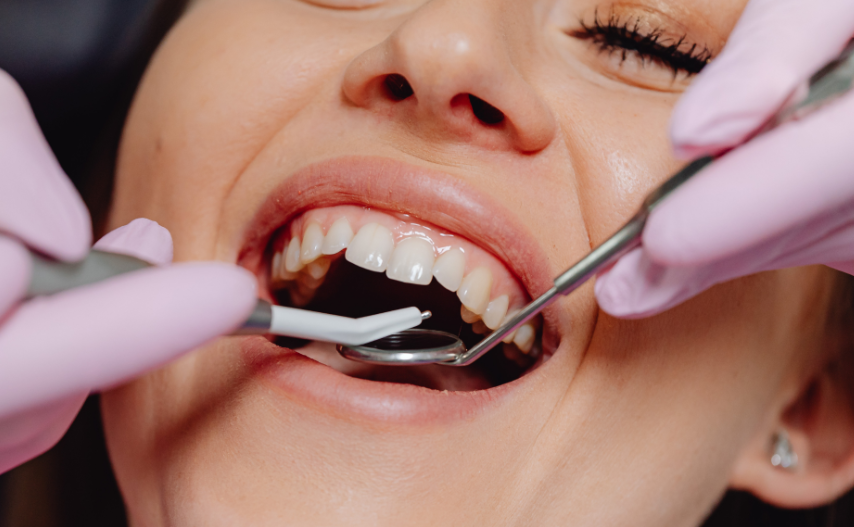
Dental implants have become one of the most trusted and effective ways to replace missing teeth. They offer long-lasting results, natural aesthetics, and excellent functionality, making them a preferred option for many patients. But one of the most common questions people ask is whether dental implants are safe. With decades of research and a strong clinical success rate, dental implants are considered a reliable and secure solution when performed by an experienced dental professional.
Understanding What Dental Implants Are
A dental implant is a small titanium post that is surgically placed into the jawbone to act as an artificial tooth root. Once it integrates with the bone, a custom-made crown is attached through a connector called an abutment. This creates a strong and permanent replacement for a missing tooth. Because implants mimic natural teeth in both structure and function, they have become a leading option for restoring smiles.
Safety of Dental Implants Explained
Dental implants have been used in dentistry for several decades and are backed by extensive scientific research. They consistently show success rates of over 95 percent in healthy patients. Titanium, the material used for most implants, is biocompatible, meaning it is well accepted by the body and rarely causes allergic reactions. When placed correctly with proper planning and technology, implants offer a predictable and safe treatment outcome.
See also: Why It’s Important to Promote Heart Health as You Get Older
Benefits That Make Implants a Safe Choice
Dental implants offer numerous advantages that contribute to their overall safety and long-term success. They help prevent bone loss by stimulating the jawbone, which maintains facial structure and supports oral health. Implants also provide stability when eating or speaking, reducing the risk of slipping or irritation associated with removable dentures. Since the implant is anchored into the bone, it doesn’t rely on neighbouring teeth for support, helping preserve healthy tooth structure. For patients consideringdental implants Adelaide, these benefits provide strong reassurance that implants are a secure and worthwhile option.
Risks Associated with Dental Implants
Like any medical procedure, dental implants carry some potential risks, although complications are rare. Infection at the implant site, slow healing, nerve irritation, or implant failure can occur in certain cases. Factors such as smoking, uncontrolled diabetes, gum disease, or insufficient bone density may increase these risks. Dentists minimise complications through detailed planning, digital imaging, and ensuring patients have healthy gums and adequate bone volume before surgery. With proper care, most risks can be effectively managed or avoided.
Who Is a Suitable Candidate for Dental Implants?
The ideal candidate for dental implants is someone with good oral health, healthy gums, and strong jawbone density. Patients with gum disease or bone loss may still receive implants but may require additional procedures such as bone grafting. Those who grind their teeth, smoke heavily, or have certain medical conditions may need a more detailed assessment to determine suitability. A thorough consultation is essential to ensure implants are placed safely and appropriately.
The Importance of a Qualified Dentist
The safety and success of dental implants depend heavily on the skill and experience of the dentist performing the procedure. Advanced imaging tools like 3D scans help dentists plan implant placement with precision. A qualified and experienced clinician can assess your unique anatomy, identify potential risks early, and ensure the implant is placed in the optimal position for long-term stability.
What to Expect During and After the Procedure
Dental implant surgery is typically performed under local anaesthetic, making the process comfortable and pain-free. Most patients report minimal discomfort afterward, similar to having a tooth extracted. Healing occurs gradually over several months as the implant fuses with the bone. During this time, your dentist will provide care instructions and schedule follow-up appointments to monitor progress and ensure everything is healing correctly.
How to Care for Dental Implants Long-Term
Caring for dental implants is similar to caring for natural teeth. Brushing twice a day, flossing daily, and attending regular dental check-ups are essential for maintaining implant health. Avoiding smoking, limiting hard foods, and managing conditions like teeth grinding can also help extend the life of your implants. With proper care, implants can last decades and often a lifetime.
Wrapping Up
Dental implants are a safe, reliable, and long-lasting option for replacing missing teeth. With high success rates, biocompatible materials, and strong clinical evidence supporting their effectiveness, implants offer patients confidence in their smile and oral health. If you’re considering implants, speak with your local dentist to determine whether this treatment is right for you and take the next step toward a secure and natural-looking tooth replacement.