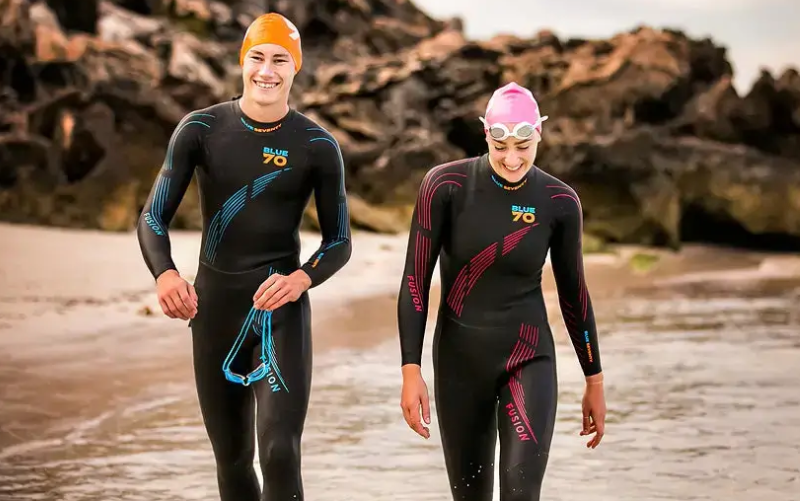
Whether you’re swimming in the ocean, training for a triathlon, or taking a dip in a local lake, you might wonder if a wetsuit is necessary. The answer depends on water temperature, swim duration, your experience level, and how comfortable you feel in cooler conditions. Wetsuits can offer warmth, buoyancy, and confidence, but they’re not required for every swim.
What Is a Swimming Wetsuit?
A swimming wetsuit is designed specifically for open water swimming and triathlons. Unlike surfing or diving wetsuits, which tend to be thicker and more restrictive, swimming wetsuits use flexible neoprene and strategic paneling to maximise shoulder movement and reduce drag. They offer insulation, improved buoyancy, and a more streamlined position in the water.
See also: Is granosite suitable for both new and existing homes?
When Do You Need a Wetsuit for Swimming?
A wetsuit becomes especially useful in open water environments such as oceans, lakes, and rivers where temperatures can be cooler. If the water is under roughly 24°C, a wetsuit can make your swim significantly more comfortable. Long-distance swims, early morning sessions, and seasonal swimming in autumn or winter are all situations where a wetsuit can provide essential warmth and support.
Situations Where You Might Not Need One
There are times when a wetsuit may not be necessary. Warm tropical conditions, heated pools, or short recreational swims often don’t require additional insulation. If you prefer a more natural feel in the water or want unrestricted movement, you may opt to swim without one. It’s easy to explore different options by trying a swimming wetsuit when temperatures drop or your swim sessions become longer.
Benefits of Wearing a Wetsuit
Wetsuits help maintain your core temperature, which is important for both comfort and safety. They also provide buoyancy that lifts your body higher in the water, reducing drag and helping you swim more efficiently. Many swimmers, especially beginners, find that wetsuits boost confidence by offering extra protection against sun, stingers, or contact with rough surfaces.
Choosing the Right Wetsuit for Swimming
When selecting a wetsuit, thickness is one of the main considerations. Most swimming wetsuits range from 1.5mm to 5mm depending on water temperature. A good fit should feel snug without restricting your breathing or arm rotation. Full suits offer maximum warmth, while sleeveless designs provide greater mobility. Look for materials and construction geared specifically toward swimming, as these improve both speed and comfort.
How a Wetsuit Enhances Swim Performance
Beyond warmth, wetsuits improve buoyancy, which helps position your body more efficiently on the water’s surface. This reduces resistance and allows you to swim with less effort, especially over longer distances. For those new to open water, the added floatation can make the experience feel safer and more controlled.
Key Takeaways
A wetsuit isn’t always necessary, but it can make a significant difference in comfort, safety, and performance, especially in cooler or open water conditions. If you regularly swim outdoors, plan long sessions, or train across seasons, a wetsuit can become an essential part of your gear. Choose based on your environment, swim goals, and personal comfort to get the most out of every session.