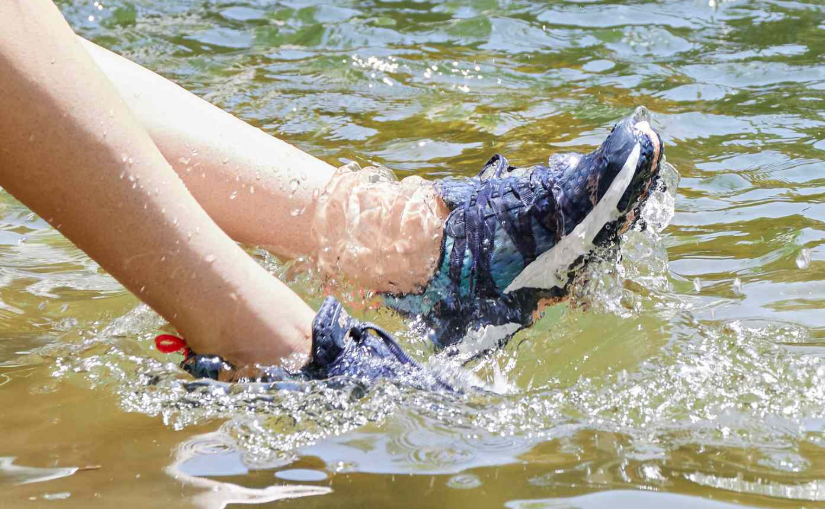
Water shoes are a staple for activities around lakes, rivers, and the ocean, designed to offer protection, grip, and quick-drying comfort in wet environments. But many wonder whether they’re also suitable for longer walking adventures on dry land. While water shoes offer versatility, their design and materials may affect their comfort and durability over extended distances.
Key Differences Between Water Shoes and Regular Walking Shoes
Water shoes are designed primarily for aquatic environments. They typically feature lightweight mesh, minimal padding, and flexible soles to allow for fast drainage and movement in water. In contrast, regular walking shoes are built for stability, cushioning, and long-term support on hard or uneven surfaces. These structural differences play a key role in how each performs during extended wear.
See also: Is granosite suitable for both new and existing homes?
When Water Shoes Are Suitable for Long Walks
There are situations where water shoes can work well for long-distance walking. If you’re transitioning frequently between wet and dry environments—such as coastal hiking, kayaking, or exploring tidal areas—they can be a practical solution. Their breathable material and slip-resistant soles are ideal for mixed terrain and wet paths.
Limitations of Water Shoes for Extended Walking
Despite their advantages, there are limits to what water shoes can comfortably handle. Most models offer less arch and ankle support compared to hiking or walking shoes. The soles are often thinner, which may not absorb impact well over time, especially on rocky or paved trails. Extended wear can also lead to rubbing or blistering if the shoes don’t fit securely or if worn without socks. You can explore different types of womens water shoes to find ones with improved structure for better land use.
Tips for Choosing Water Shoes for Walking
If you plan to use water shoes for longer walks, prioritise pairs with thicker, textured soles and reinforced toe protection. Adjustable straps or laces can help ensure a snug fit and reduce friction. Look for models that blend lightweight, breathable fabric with enough structure to support your feet throughout extended movement.
Ideal Activities That Combine Walking and Water Use
Some outdoor adventures naturally call for gear that performs well in both wet and dry settings. Island tours, light bushwalks along rivers, or paddleboarding days that involve short hikes all benefit from durable water shoes. They’re also ideal for travel days where packing light is essential, and versatility is a priority.
Summing Up
Water shoes can be a smart choice for walking short to moderate distances, especially when wet terrain is involved. However, for prolonged land-based treks, consider your support and comfort needs. Choosing a hybrid-style water shoe with enhanced features can help bridge the gap between aquatic performance and on-land endurance.